


Clark County Public Health’s On-Site Septic System Operation and Maintenance Program (CCPH OSS O&M) regularly sends notices to system owners who are past due on their O&M inspections. Regular inspections are required by state law to protect public health and groundwater. OSS that are more than one year past their required OSS inspection date are subject to a non-compliance fee.
It is important to maintain your septic system to protect:
- public health
- local creeks, streams and rivers
- drinking water
- your investment
Operation and maintenance of your system
Septic systems are usually not considered an essential part of a home. But replacing a residential septic treatment system may cost between $7,000 and $15,000! Periodic inspection and timely repair of your system components can prevent damage to the soil and water in the ground around your home, and may extend the useful life of your system.
Washington Administrative Code chapter 246-272A and Clark County Code 24.17 requires homeowners whose property is not connected to a municipal sewer system to ensure that the property includes an approved, correctly functioning on-site septic system. Proper maintenance is defined in the code as:
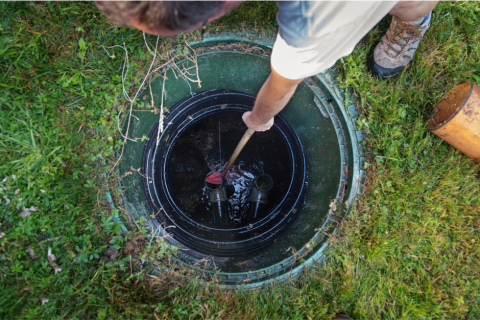
- Determining the level of solids and scum in the septic tank every three years.
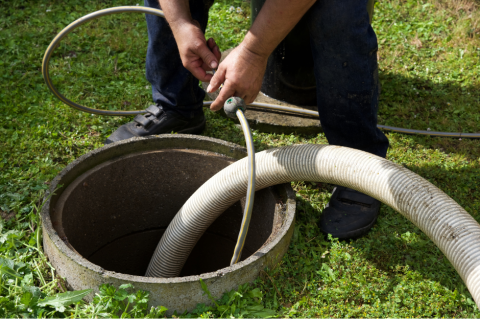
- Employing an approved pumper to remove septage from the tank when necessary.
- Protecting the system components and required reserve septic area from damage by structures or materials, surface drainage, soil compaction, soil removal or grade alteration.
- Keeping the sewage flow at or below designed quantity and waste strength.
- Directing roof drains away from the area of the sewage treatment system.
- Operating and maintaining alternative sewage disposal systems if directed by the County Health Officer.
For more information please see our Guide to the proper care and maintenance of your on-site septic system.

Frequently asked questions
Related links
- Report a public health concern
- Clark County Property Information Center
- On-site Septic System Forms
- Service fees
- On-site sewage system non-compliance fee
- Basic Principles of on-site septic system
- Understanding and caring for your septic tank
- On-Site Sewage (septic) System Rules and Regulations of Clark County Public Health
- Washington State on-site sewage (septic) systems rules regulations
- Clark County Regional Wastewater District – Information for Homeowners